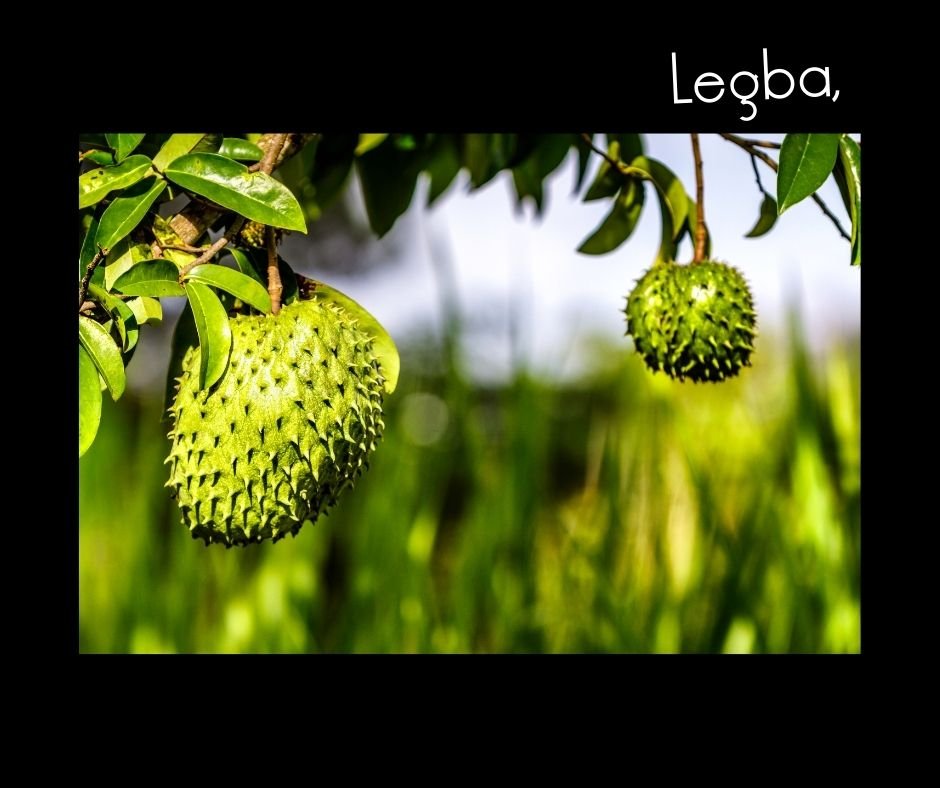


Soursop (Annona muricata) - seeds
Soursop (Annona muricata) - seeds
Soursop (Annona muricata): seeds of the soursop tree, a small tropical tree from Central America and the Caribbean, whose large green fruit covered in soft spines is a market fruit throughout the tropics.
Couldn't load pickup availability
Expédié depuis le Jura - Paiement sécurisé - Retrait possible à Francheville
Read before ordering
Read before ordering
The seeds are toxic and must never be consumed. The soursop tree contains annonacin, a neurotoxic molecule concentrated in particular in the seeds, bark and leaves. ANSES (the French Agency for Food, Environmental and Occupational Health and Safety) has published a warning on this subject, after atypical forms of parkinsonian syndromes associated with regular consumption of preparations from this plant family were observed in Guadeloupe.
- Never ingest the seeds, or grind them to make a preparation
- Do not prepare the leaves or bark as an infusion or decoction
- Keep out of reach of children and pets
- Wash your hands after handling
These seeds are sold as ornamental and botanical collector's seeds, for growing the tree. We provide no dosage, no preparation method and no expected effect.
What you receive
What you receive
A packet of 20 Annona muricata seeds. They are flat, oval and glossy blackish-brown, about the size of a large squash seed.
Sowing
Sowing
Soak the seeds for 24 to 48 hours in lukewarm water, changed once: the seed coat is thick and soaking makes a clear difference to the result. Then sow 1.5 cm deep in a light, free-draining compost, at 25 to 30 °C, under a cover and kept moist.
Germination takes two to six weeks, sometimes longer, and remains staggered. Below 22 °C, it practically does not happen: heat is the decisive condition, even more than moisture.
Pot on into a deep pot as soon as the first true leaves appear. The soursop tree develops a taproot and suffers from late transplanting.
The mature tree
The mature tree
In its native range, it reaches 5 to 8 m. In a pot in our climate, it stays at 1.50 to 2.50 m and forms a small tree with evergreen, leathery, glossy foliage that gives off a distinct smell when a leaf is crushed. The fleshy, greenish-yellow flowers grow directly on the trunk and branches.
It is strictly frost-tender: it does not tolerate temperatures below 10 to 12 °C. It needs a heated greenhouse or a very bright room in winter, high humidity, and a substrate that never dries out completely. Fruiting at our latitudes is rare and requires hand pollination.
Frequently asked questions
Frequently asked questions
Can I hope for fruit in France?
In a well-managed heated greenhouse, possibly, with hand pollination. In a flat, no. This page is aimed at those who want to grow the tree.
Is soaking essential?
It is not compulsory, but without it germination is much slower and weaker. It is the step that costs the least and pays off the most.
What minimum temperature?
Do not go below 12 °C, even during winter rest. Below that, the foliage blackens and the tree declines.
Does it need a lot of light?
Yes, but without scorching sun behind glass. In bright filtered light, it does well.
Also worth exploring: the cacao tree, another tropical tree with cauliflorous flowers, and all our seeds from around the world.